Our representative will contact you soon.
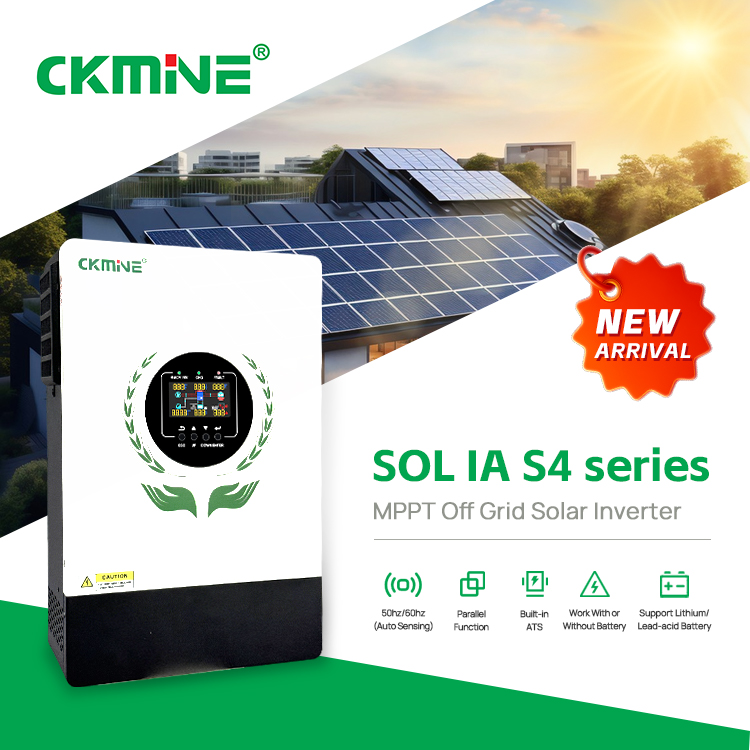
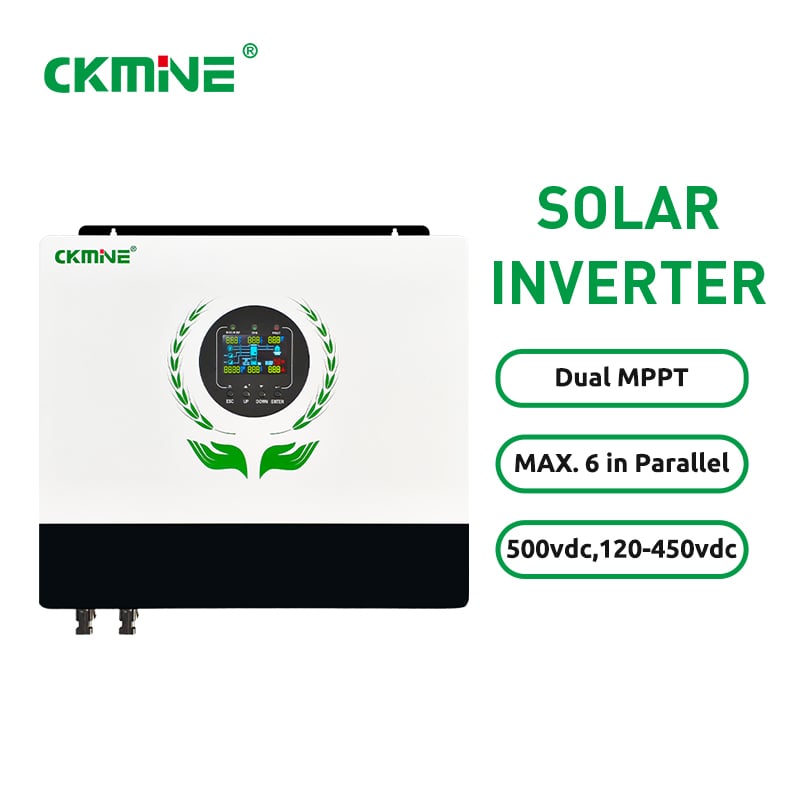
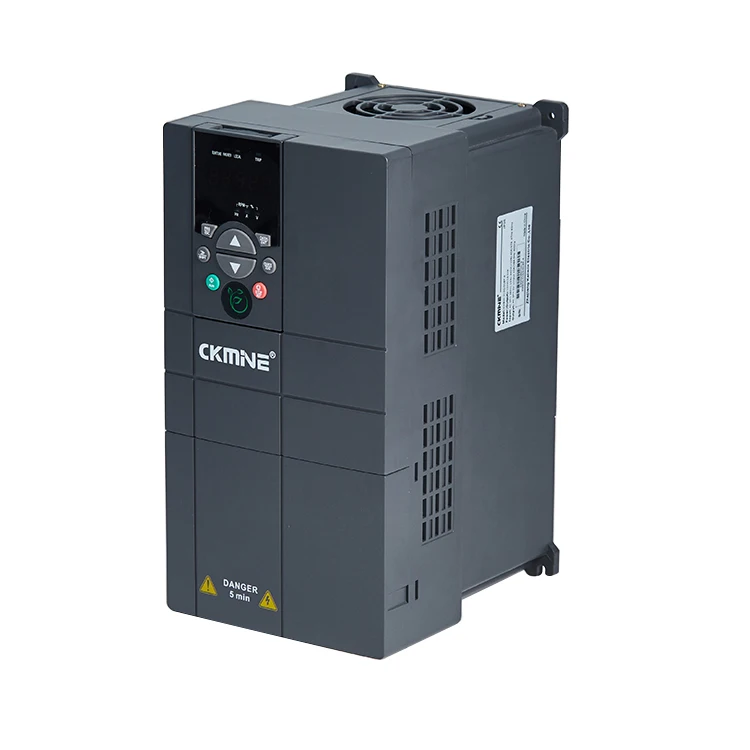
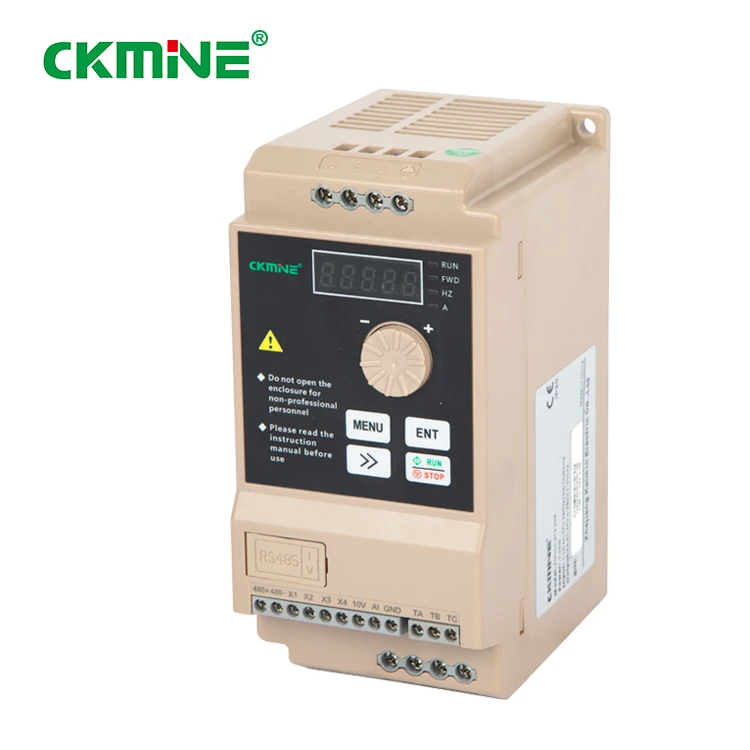
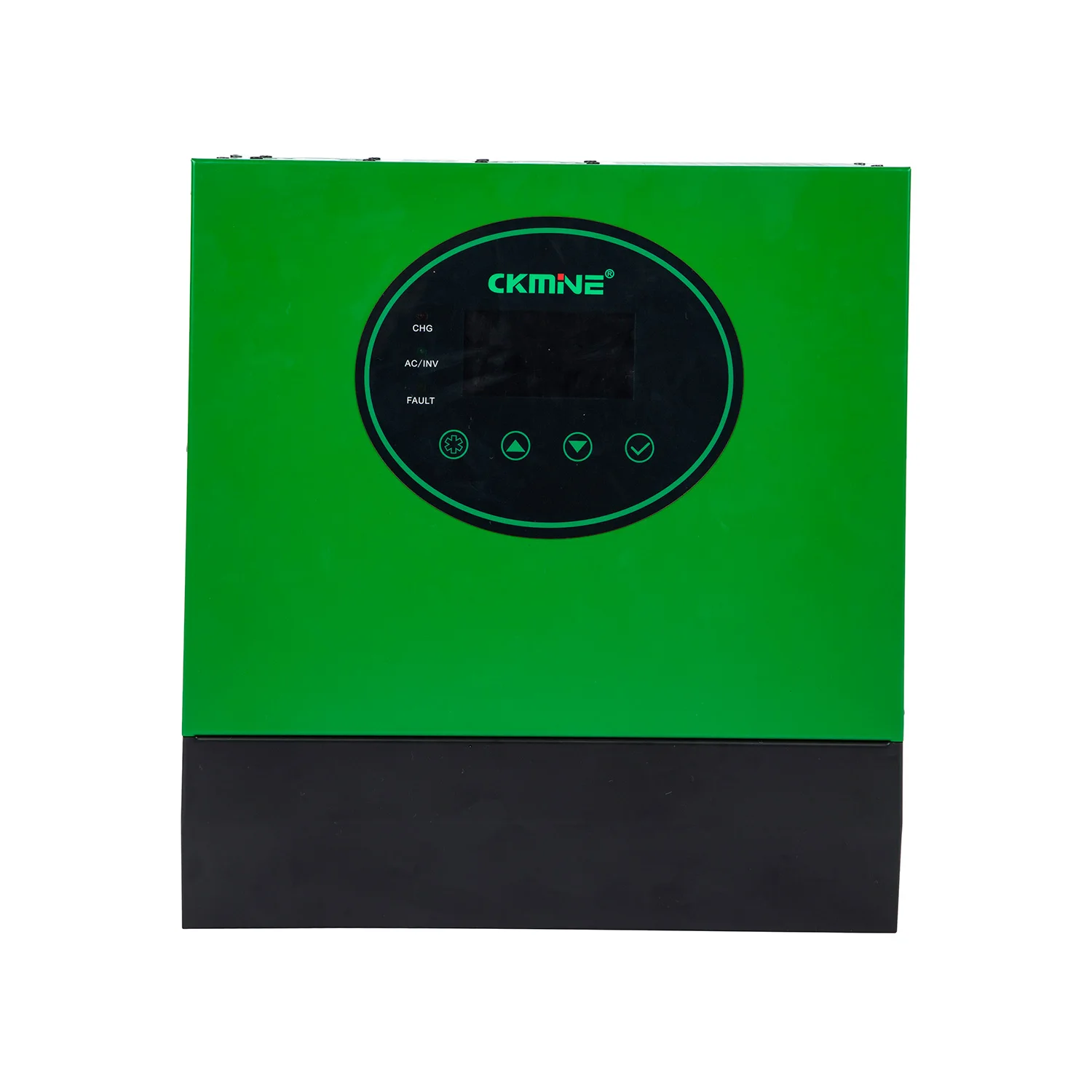
The inverter 220V to 380V is a special device that converts electricity into something more significant. It transforms the electricity which is at 220 volts into a power of 380V. This is called a voltage conversion. Voltage which is way in the meaning that how much electric force are there in the circuit. To get a little less technical, the voltage is what allows machines to consume more power. This is significant as a lot of machines require that extra power to perform at their best.
Industrial Motors - Industrial motors (often electric or hydraulic) are a critical part of many mass production machines - pumps, compressors and conveyor belts. The motors require a lot of power to operate well and will tend weld at 380 volts. That is all well and good, but in the case where there only exists 220 volt electricity. And that's where the 220V to 380V inverter comes handy.
The inverter changes the voltage from 220 volts to 380, which means that your industrial motors are receiving the right power so they can function correctly. It will help in saving the motor damage and it decreases the breaking down of them. Unplanned stops can incur significant costs not just the cost of repair but also lost revenue due to machine downtime.
When looking for your inverter 220V to 380V you must take into account the power that your machines need. It is essential to pick an inverter that will be able supply appropriate power for your devices, without any damage caused. This is useful when you put them into context with the treatment guidelines and needs of your devices but not always typical.
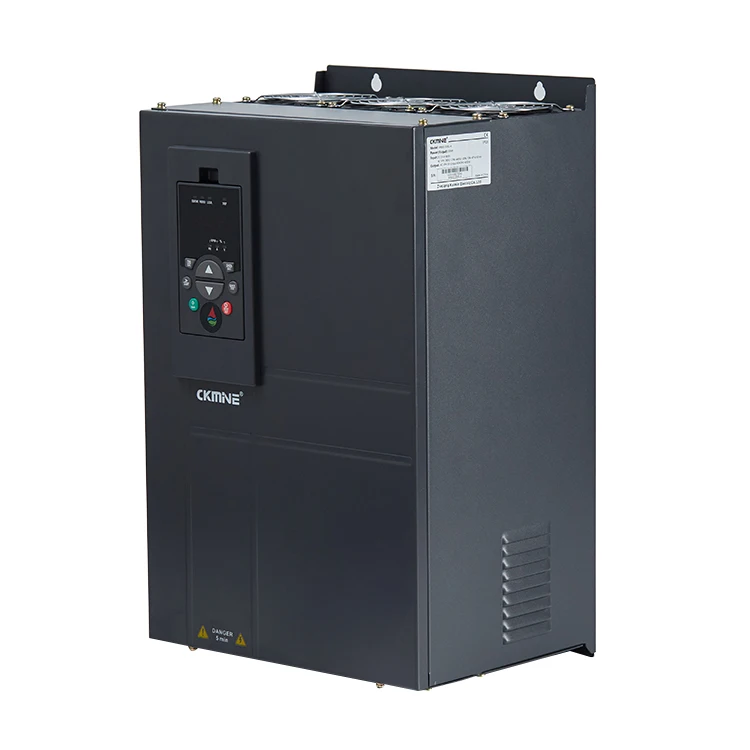
The other factor to take into account is the that of inverter you are going to purchase. Sure, the lower cost of other inverters may save you money upfront but not down the road. Eventually that may come back to bite you in the form of repairs or replacement being necessary far sooner than anticipated. A better option would be to invest in a sturdy and reliable high-quality for which you will probably dole out more cash.
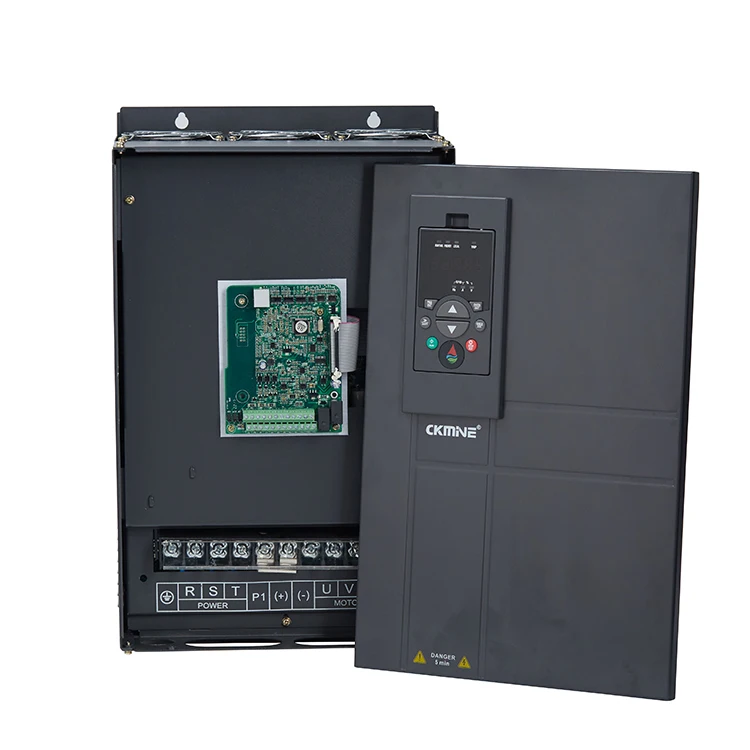
Here are a few tips to maintain your inverter 220V to 380V at peak condition. The very first on the list is to keep watching out for the wires and connections in an inverter. Ensure they really feel secured as well and not eliminate. Misguided wires are a reoccurring issues and also pose an electrical danger, which at worse could even cause brand new fires.
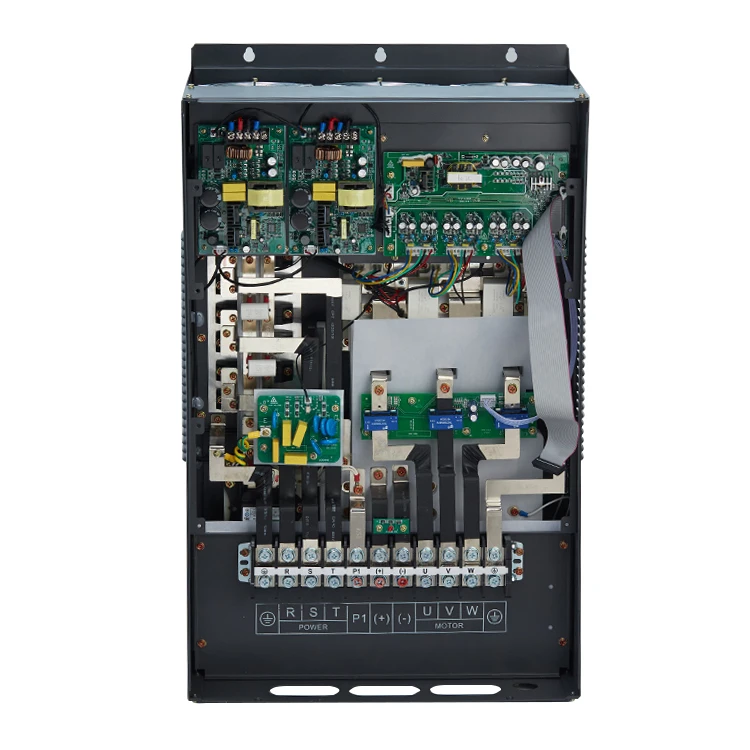
Cleaning the Inverter: You always remember to clean it regularly. In contrast, dust and the dirt gather over time will follow to die a slow death if not such that of an inverter-disabler or meltdown ingredient. It is also essential to keep the air vents clear on the inverter. It allows the inversion to stay cool as well making sure that it does not overheat.
CKMINE has successfully exported to clients over 60 countries regions, and intends to establish name more prominently both internationally and in the domestic market as inverter 220v to 380v automation solution provider. The demands of customers is the driving force behind CKMINE's growth.
CKMINE is an ISO 9001:2015, CE, CCC certified firm with 6S workshops and 8 production lines. It does not just have advanced facilities quick installations as well as manufacturing but utilizes strict processes to ensure that the performance is at highest levels. CKMINE has quality control department monitor every link from inverter 220v to 380v to shipping.
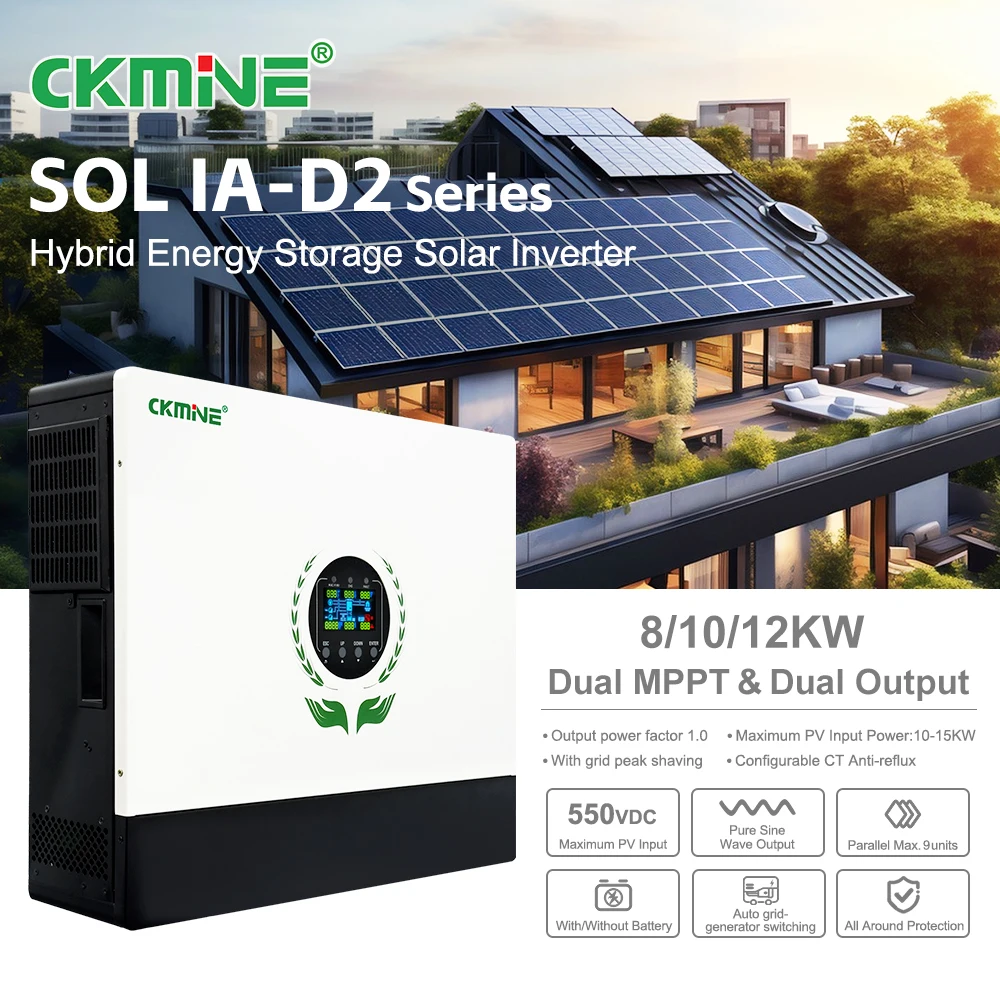
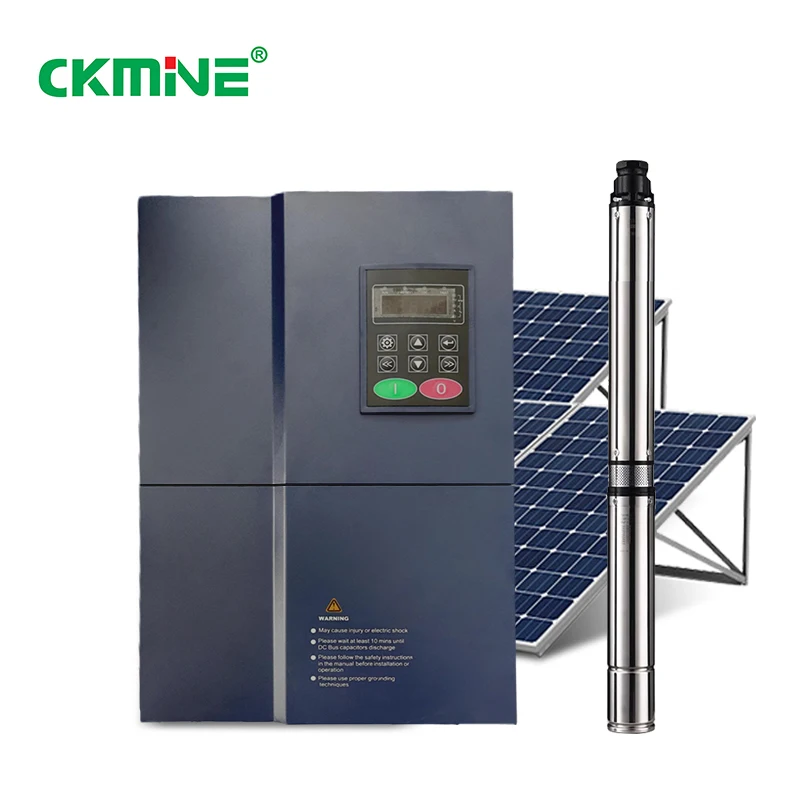
CKMINE is a high-tech enterprise focused on the research, development, manufacturing sales service of AC drive solar inverter, power inverter, pv combiner, time switch, relay. Our products are used inverter 220v to 380v in irrigation for agriculture and peotroleum production, chemical industry, metallurgy, paper production, construction mining other industrial fields.
CKMINE is located Wenzhou City, Zhejiang Province, China, covering area of 10000m^2. CKMINE has high performance products with a wide range of inverter 220v to 380v sources with a general purpose to serve customers across a variety of areas. CKMINE employs a team of 200+ and over 18 years industry experience. skilled and constant development.
 EN
EN
 AR
AR
 BG
BG
 CS
CS
 NL
NL
 FI
FI
 FR
FR
 DE
DE
 EL
EL
 HI
HI
 IT
IT
 JA
JA
 KO
KO
 NO
NO
 PL
PL
 PT
PT
 RO
RO
 RU
RU
 ES
ES
 SV
SV
 TL
TL
 IW
IW
 ID
ID
 SR
SR
 UK
UK
 VI
VI
 HU
HU
 TH
TH
 TR
TR
 FA
FA
 AF
AF
 KA
KA
 UR
UR
 BN
BN
 LA
LA
 MN
MN
 MY
MY
 KK
KK
 UZ
UZ
 KY
KY