 EN
 AR
 BG
 CS
 NL
 FI
 FR
 DE
 EL
 HI
 IT
 JA
 KO
 NO
 PL
 PT
 RO
 RU
 ES
 SV
 TL
 IW
 ID
 SR
 UK
 VI
 HU
 TH
 TR
 FA
 AF
 KA
 UR
 BN
 LA
 MN
 MY
 KK
 UZ
 KY

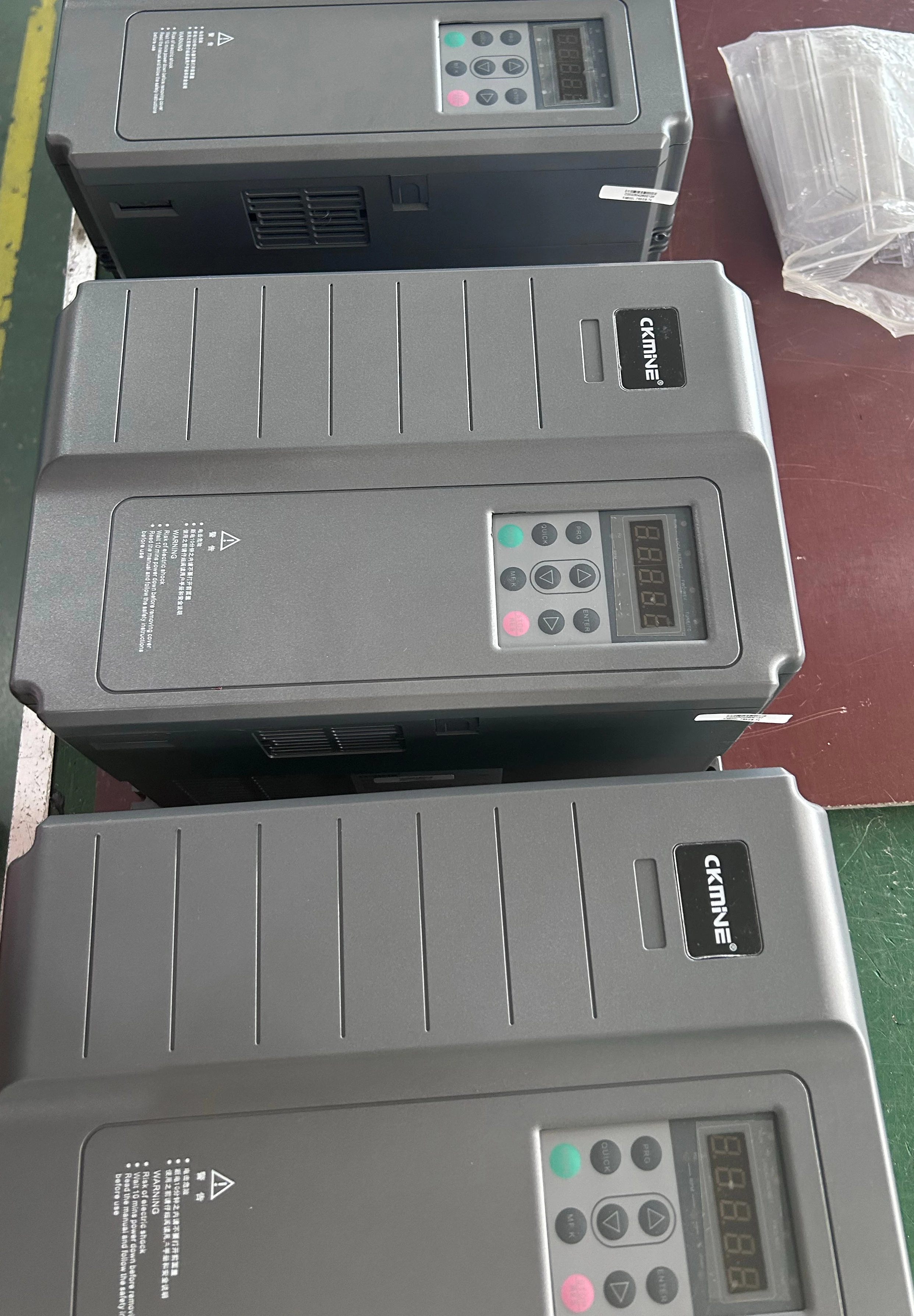
Elevator modernization is a critical aspect of maintaining safety, efficiency, and overall performance in commercial and industrial buildings. When considering an upgrade, one of the most vital components is the elevator drive system. An effective elevator drive for elevator modernization not only enhances performance but also helps reduce energy consumption and increase reliability. This article aims to guide purchasing managers and project engineers through the essential considerations for selecting the right elevator drive solutions, ensuring quality, and understanding the factors that impact costs in modernization projects.
What to Look for in Drive Solutions
When selecting an elevator drive for modernization, several key factors should be taken into account:
Type of Drive: There are primarily two types of elevator drive: AC (Alternating Current) and DC (Direct Current). AC drives are generally preferred for their efficiency, reliability, and lower maintenance costs. Understand how each type will impact your existing system and future performance.
Power Rating: Ensure that the power rating of the drive matches the requirements of the elevator system. An undersized drive can lead to performance issues, while an oversized drive may result in unnecessary energy consumption.
Control Features: Modern drives come with advanced control features, such as regenerative braking and energy-saving modes. Evaluate how these features can enhance operational efficiency and reduce energy costs.
Compatibility: The new drive must be compatible with existing hardware and software systems. Assess the communication protocols and ensure that they can integrate seamlessly with your current elevator management system.
Customization Options: Depending on your specific application, customization might be necessary. Look for manufacturers that offer tailored solutions to meet unique operational needs.
How to Choose the Right Elevator Drive for Modernization Projects
Choosing the right elevator drive involves a thorough evaluation of several critical aspects:
Assess Existing Infrastructure: Review the current elevator system’s specifications, including load capacity, speed, and usage patterns. This assessment will help determine the specifications required for the new drive.
Consult with Manufacturers: Engage with reputable manufacturers like CKMINE, which specializes in AC drives and inverters. Their expertise can provide valuable insights into the latest technologies and best practices for modernization.
Evaluate Total Cost of Ownership (TCO): Beyond the initial purchase price, consider factors such as energy efficiency, maintenance costs, and potential downtime during installation. A drive with a higher upfront cost may offer long-term savings through reduced energy consumption and lower maintenance needs.
Quality Assurance Standards: Ensure the manufacturer adheres to industry quality standards. Certifications can indicate a commitment to quality and reliability, which is critical for long-term performance.
Seek Recommendations and Reviews: Look for case studies or testimonials from other businesses that have completed similar modernization projects. This can provide insights into performance and reliability.
Ensuring Quality and Performance
Quality assurance is paramount in selecting an bucket elevator drive for modernization. Here are some steps to ensure both quality and performance:
Pre-Production Samples: Before finalizing the order, request a sample of the drive. Testing the sample under real operational conditions can reveal potential issues that may not be apparent through specifications alone.
Quality Control Processes: Inquire about the manufacturer's quality control processes. A robust quality management system ensures that every unit meets performance standards and is free from defects.
Durability and Reliability Testing: Verify if the manufacturer conducts extensive testing for durability and reliability. Drives should be tested under various loads and conditions to ensure they perform as expected in real-world applications.
Warranty and Support: A strong warranty can provide peace of mind. Ensure that the manufacturer offers adequate warranty coverage and post-sale support, including technical assistance and maintenance.
Why Partnering with CKMINE Matters
CKMINE has established itself as a trusted partner in the elevator modernization space. With over 90 patents and a dedicated team of 30 engineers, CKMINE focuses on developing high-tech AC drives that meet the evolving needs of the industry. Here’s why partnering with CKMINE can be advantageous:
Innovative Solutions: CKMINE’s commitment to research and development ensures that their products incorporate the latest technological advancements, improving efficiency and performance.
Customization Capabilities: CKMINE offers tailored solutions that can be customized according to specific project requirements, ensuring compatibility with existing systems and operational needs.
Global Reach: With a production capacity of 40,000 units monthly and distribution to over 60 countries, CKMINE has the experience and capability to support large-scale modernization projects.
Expert Guidance: CKMINE’s team of engineers is available to provide expert guidance throughout the selection and installation process, helping to navigate any challenges that may arise.
Cost Factors to Consider When Modernizing Your Elevator System
Understanding the cost factors involved in elevator modernization is essential for budget planning. Here are key considerations:
Initial Investment: The cost of the elevator motor drive itself is a primary consideration. However, additional costs may arise from installation, integration with existing systems, and potential upgrades to other components.
Installation Costs: Assess the complexity of the installation process. If significant modifications to the existing infrastructure are necessary, this can increase labor costs and extend downtime.
Energy Efficiency: Consider the energy savings associated with modern drives. An energy-efficient drive may have a higher upfront cost but can lead to significant savings over its operational lifetime.
Maintenance Costs: Evaluate the expected maintenance requirements for the new drive. Drives with advanced technology may require specialized maintenance, impacting overall costs.
Financing Options: Explore financing options or leasing arrangements that may be available. These can help manage the initial financial burden while still allowing for an upgrade to a more efficient system.
By understanding these factors and leveraging CKMINE's expertise in AC drives and inverters, you can make informed decisions that will enhance the performance, safety, and efficiency of your elevator systems during modernization projects.