 EN
 AR
 BG
 CS
 NL
 FI
 FR
 DE
 EL
 HI
 IT
 JA
 KO
 NO
 PL
 PT
 RO
 RU
 ES
 SV
 TL
 IW
 ID
 SR
 UK
 VI
 HU
 TH
 TR
 FA
 AF
 KA
 UR
 BN
 LA
 MN
 MY
 KK
 UZ
 KY


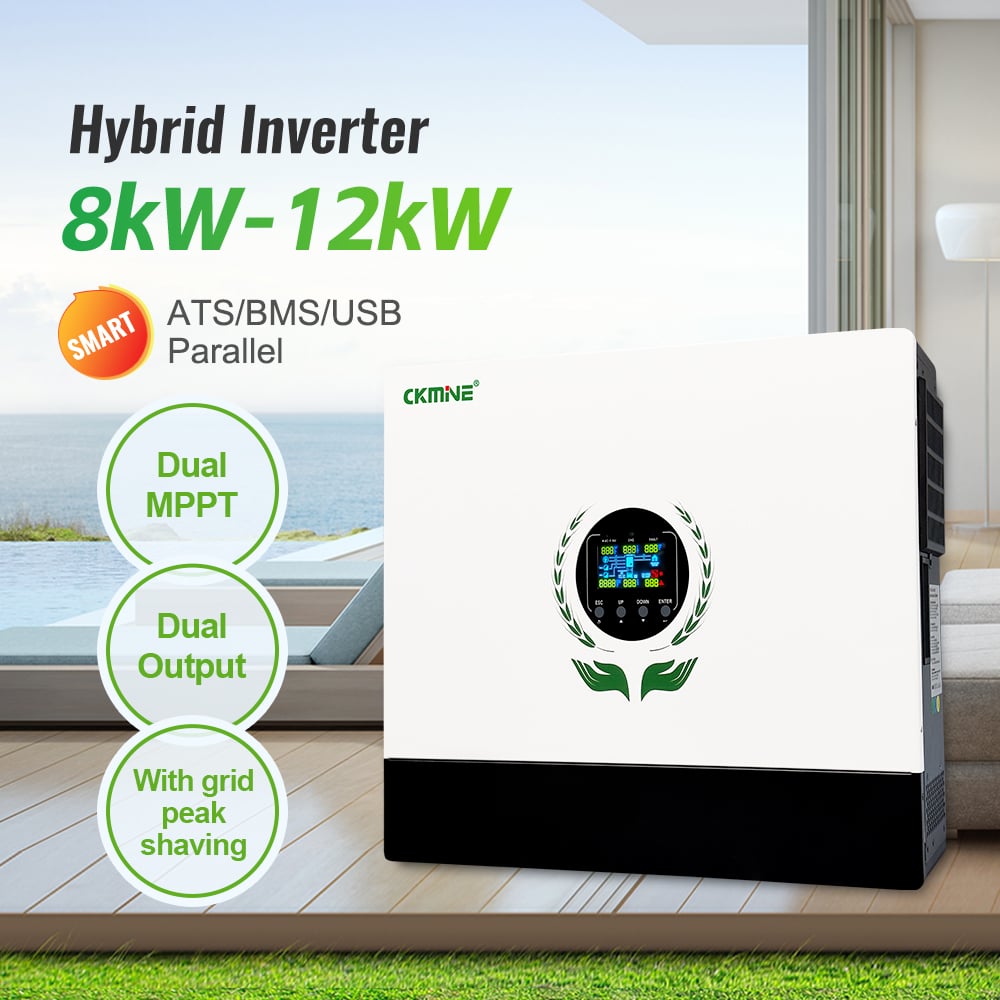
Hybrid solar inverters are an innovative solution that combines the functionalities of both grid-tied and off-grid inverters, offering distinct advantages for various applications. As a B2B buyer in industries such as manufacturing or energy management, understanding the differences between hybrid solar inverters and off-grid inverters is crucial for making informed purchasing decisions. This article will explore what sets these two types of inverters apart, delve into material and durability considerations, outline sourcing strategies for bulk orders, assess cost factors, and provide guidance on selecting the right supplier.
What Sets Hybrid Solar Inverters Apart from Off Grid Inverters?
Hybrid solar inverter are designed to function seamlessly with both solar energy systems and the electrical grid, providing flexibility that off-grid inverters lack. While off-grid inverters are solely reliant on battery storage for power supply, hybrid inverters can draw energy directly from solar panels, the grid, or battery storage, depending on availability and demand.
This versatility allows hybrid inverters to optimize energy use, reducing reliance on the grid and minimizing electricity costs. They can also manage energy storage, charging batteries during peak solar generation and discharging them during high demand or low sunlight conditions. For B2B buyers, this means selecting a hybrid inverter can lead to improved energy efficiency, lower operational costs, and enhanced system reliability compared to a traditional off-grid inverter.
Hybrid Solar Inverter Materials and Durability
When considering hybrid solar inverters, the materials used in their construction are critical to their performance and longevity. High-quality hybrid inverters typically utilize durable materials such as aluminum or high-grade plastics that withstand environmental stresses like temperature fluctuations, moisture, and UV exposure.
Moreover, the internal components, such as capacitors and transformers, should be rated for high efficiency and longevity. It's essential to evaluate the inverter's thermal management features, as overheating can lead to premature failure. A robust cooling system can enhance durability and operational efficiency. B2B buyers should ask suppliers about the materials used and ensure they meet industry standards for reliability and performance.
Where to Source Reliable Hybrid Solar Inverters for Bulk Orders
Sourcing hybrid solar inverter for bulk orders involves identifying reputable manufacturers with a proven track record in producing high-quality, reliable products. Look for suppliers like CKMINE, established in 2005, which boasts extensive experience in manufacturing AC drives and inverters. A company with over 90 patents and a workforce of more than 30 engineers indicates a strong commitment to innovation and quality.
When evaluating suppliers, consider their production capabilities, including the number of production lines and monthly output, as this can impact lead times and order fulfillment. Ensure they have a clear quality control process in place and ask for references or case studies from similar industries. Additionally, inquire about minimum order quantities (MOQ) and customization options to meet your specific needs.
Cost Factors to Assess When Comparing Hybrid and Off Grid Inverters
Cost is a significant consideration when comparing hybrid and off-grid inverters. While hybrid solar inverters may have a higher upfront price, their ability to reduce energy bills and optimize power usage can lead to substantial long-term savings. Key cost factors to consider include:
Initial Investment: Hybrid inverters generally cost more than off-grid inverters due to their advanced features and capabilities.
Installation Costs: Evaluate the complexity of installation, as hybrid systems may require more sophisticated setups than off-grid systems.
Maintenance and Operations: Consider the long-term operational costs, including maintenance requirements and the potential for battery replacements over time.
Energy Savings: Analyze the potential savings on electricity bills, which can offset initial costs over time.
B2B buyers should conduct a total cost of ownership analysis that includes upfront costs, operational expenses, and potential savings to make an informed decision.
How to Select the Right Supplier for Hybrid Solar Inverter Needs
Choosing the right supplier for hybrid solar inverters is crucial for ensuring quality and reliability. Start by evaluating the supplier's experience and expertise in the industry. For instance, CKMINE's extensive background in manufacturing high-tech inverters and AC drives positions it as a knowledgeable partner in the field.
Consider the following criteria when selecting a supplier:
Product Range and Customization: Ensure the supplier can provide a variety of models and customization options to meet your project's specific requirements.
Quality Assurance: Inquire about quality certifications and testing processes to guarantee the reliability of the products.
Technical Support: Assess the level of technical support offered, as this is vital for troubleshooting and maintenance.
Lead Times and Delivery: Confirm the lead times for bulk orders and the supplier's ability to meet deadlines.
Post-Sales Service: Evaluate the supplier's post-sales support, including warranty terms and service agreements.
By meticulously assessing these factors, B2B buyers can confidently select a supplier who aligns with their operational needs and quality standards.
Understanding the differences between hybrid solar power inverter and off-grid inverters, along with the key considerations for sourcing, cost analysis, and supplier selection, will empower B2B buyers to make informed purchasing decisions that align with their energy management goals.
Table of Contents
- What Sets Hybrid Solar Inverters Apart from Off Grid Inverters?
- Hybrid Solar Inverter Materials and Durability
- Where to Source Reliable Hybrid Solar Inverters for Bulk Orders
- Cost Factors to Assess When Comparing Hybrid and Off Grid Inverters
- How to Select the Right Supplier for Hybrid Solar Inverter Needs