 EN
 AR
 BG
 CS
 NL
 FI
 FR
 DE
 EL
 HI
 IT
 JA
 KO
 NO
 PL
 PT
 RO
 RU
 ES
 SV
 TL
 IW
 ID
 SR
 UK
 VI
 HU
 TH
 TR
 FA
 AF
 KA
 UR
 BN
 LA
 MN
 MY
 KK
 UZ
 KY


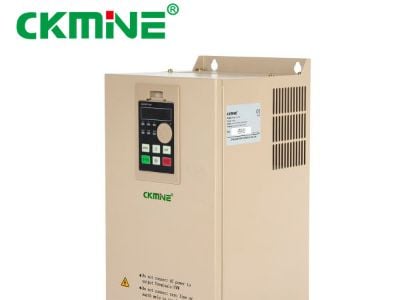
Selecting the appropriate cable for your Variable Frequency Drive (VFD) is crucial for optimal performance and longevity. This VFD cable selection guide will help you navigate the various factors to consider, ensuring compatibility with your specific applications. Buyers often have concerns regarding cable specifications, materials, and quality, all of which can impact operational efficiency. We’ll explore essential considerations, quality evaluations, sourcing options, and the best practices for ensuring optimal performance in your vfd applications.
What to Consider When Choosing VFD Cable for Your Applications?
When selecting a VFD cable, several factors must be considered to ensure compatibility with your equipment and application. First, assess the operating environment. Cables need to withstand specific temperature ranges, humidity levels, and potential exposure to chemicals or moisture.
Next, consider the cable construction. VFD cables typically consist of multiple conductors, insulated with materials that can handle high-frequency signals generated by VFDs. The insulation type, such as PVC or XLPE, affects the cable’s performance and durability.
Additionally, the cable’s capacitance and inductance are crucial for minimizing electromagnetic interference (EMI). A well-designed vfd drive cable reduces the risk of overheating and ensures efficient energy transfer. Finally, confirm that the cable meets relevant industry standards and certifications, as this ensures it adheres to safety and quality benchmarks.
How to Evaluate the Quality of VFD Cables Before Purchase?
Quality evaluation is critical before purchasing VFD cables to avoid operational issues later. Start by reviewing the manufacturer’s specifications and certifications. Look for compliance with industry standards such as UL, IEC, or NEC, which indicate that the cable has undergone rigorous testing for safety and performance.
Inspect the materials used in the cable's construction. High-quality copper conductors are essential for efficient conductivity, while robust insulation materials help prevent breakdown under stress. Furthermore, assess the cable's flexibility and bend radius, particularly if it will be installed in tight spaces or require frequent movement.
Request samples from suppliers and perform a physical inspection. Check for uniformity in conductor size, insulation thickness, and overall craftsmanship. Finally, consider the manufacturer’s reputation and customer feedback, as reliable vendors often provide better quality products backed by strong warranties.
Where to Source Reliable VFD Cables for Bulk Orders?
Sourcing VFD cables in bulk requires careful consideration of suppliers. Start by identifying manufacturers with a strong track record in the industry. CKMINE, for example, has been in the market since 2005, specializing in AC drives and inverters, and has the capability to produce over 40,000 units monthly. Such manufacturers are often better positioned to meet large orders while ensuring consistent quality.
Evaluate suppliers based on their production capabilities and quality control standards. Ask about their manufacturing processes, including how they handle inspections and testing. A supplier with multiple production lines can often accommodate larger orders more efficiently.
Additionally, consider the logistics involved. Suppliers should offer comprehensive shipping options and have experience exporting to your region, ensuring timely delivery and compliance with local regulations. Finally, establishing communication regarding minimum order quantities (MOQs) and pricing structures can help in negotiating favorable terms.
Which One is Right for Your Project?
Determining the right VFD cable for your project involves matching the cable specifications to your operational requirements. Start by assessing the specific application, such as HVAC systems or industrial cranes, as each may demand different cable characteristics.
For instance, if your application requires long cable runs, consider a cable with low capacitance to minimize signal degradation. On the other hand, for applications with frequent movement, a flexible cable design may be necessary to withstand bending without damage.
Consult with your engineering team to establish requirements such as voltage rating, conductor size, and shielded versus unshielded options. If customization is necessary, many manufacturers, including CKMINE, can provide tailored solutions based on your project's unique demands. Finally, always verify that the selected cable meets applicable regulatory and safety standards for your industry.
Ensuring Optimal Performance
To ensure optimal performance of your VFD cables, proper installation and maintenance are essential. Follow the manufacturer's installation guidelines meticulously, paying special attention to the bending radius and securing connections to avoid wear and tear.
Regular inspection is vital to identify any signs of wear, damage, or overheating. Look for discoloration, cracking, or fraying, which may indicate a failure in insulation or conductor integrity. Addressing issues promptly can prevent costly downtime and ensure the longevity of both the cable and your VFD system.
Moreover, keep an eye on the operating environment. Factors such as temperature fluctuations, moisture exposure, and mechanical stress can significantly affect cable performance. By implementing a proactive maintenance schedule and addressing any emerging issues, you can enhance the reliability and efficiency of your VFD applications.
By understanding the nuances of VFD cable selection and ensuring quality from the outset, buyers can confidently make informed decisions that lead to better operational outcomes. Through careful evaluation, sourcing from reliable manufacturers, and ensuring optimal installation and maintenance practices, you can maximize the efficiency and lifespan of your vfd inverter systems.