 EN
 AR
 BG
 CS
 NL
 FI
 FR
 DE
 EL
 HI
 IT
 JA
 KO
 NO
 PL
 PT
 RO
 RU
 ES
 SV
 TL
 IW
 ID
 SR
 UK
 VI
 HU
 TH
 TR
 FA
 AF
 KA
 UR
 BN
 LA
 MN
 MY
 KK
 UZ
 KY


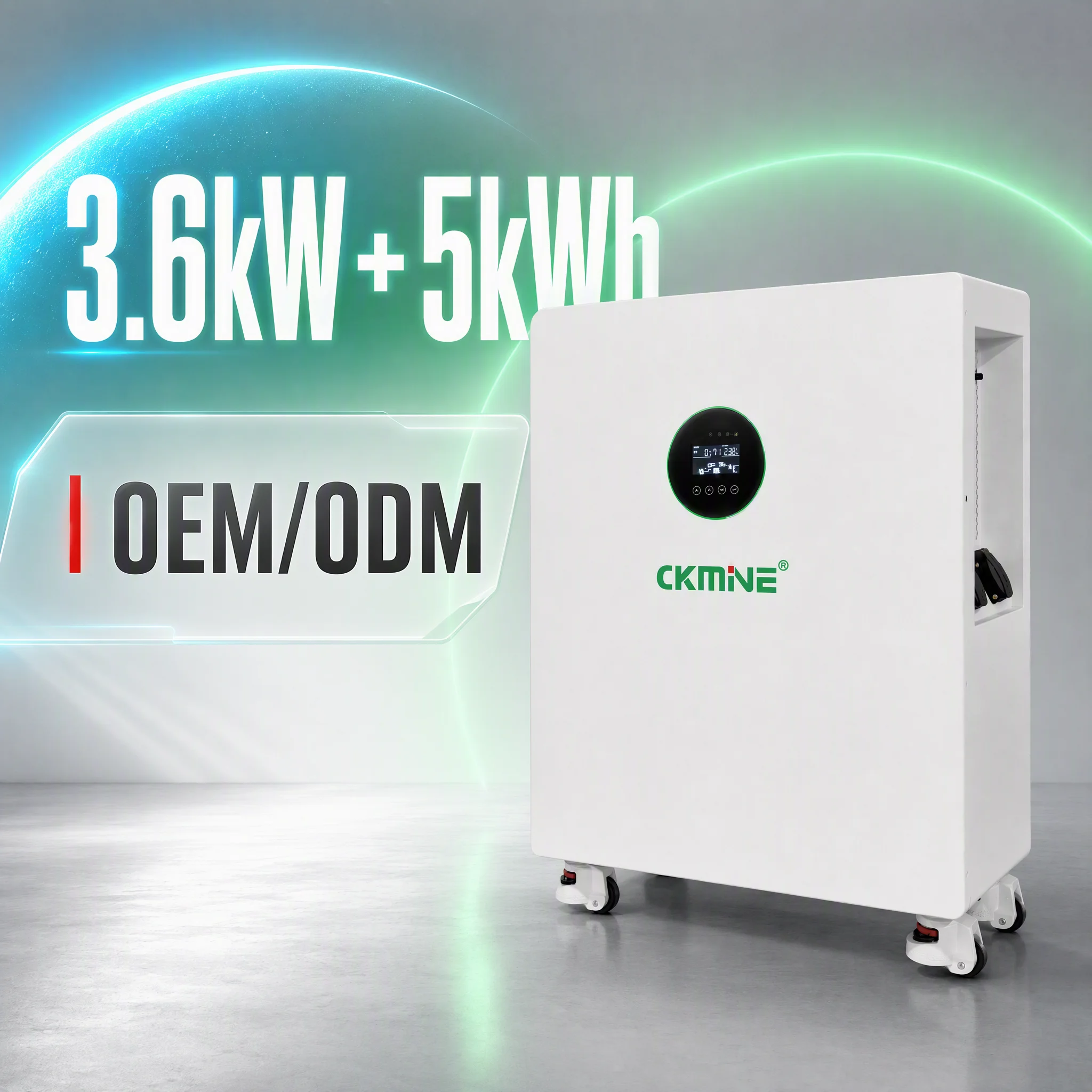
LiFePO4 lithium batteries are becoming increasingly popular as a reliable energy storage solution for various applications, from industrial equipment to renewable energy systems. Known for their safety and longevity, these batteries have specific characteristics that make them a preferred choice for many businesses. This article will address key considerations for B2B buyers, including selection criteria, essential specifications, and sourcing strategies, ensuring that purchasing managers, distributors, and engineers can make informed decisions when acquiring LiFePO4 batteries.
What to Look for When Choosing LiFePO4 Lithium Batteries for Wholesale
When selecting LiFePO4 lithium batteries for wholesale, there are several critical factors to consider. First, assess the battery's capacity and voltage specifications. Capacity, measured in ampere-hours (Ah), determines how long the battery can provide power, while voltage affects the compatibility with your equipment. Ensure that the battery's specifications align with your application needs.
Next, consider the battery's cycle life, which indicates how many charge and discharge cycles the battery can endure before its performance significantly deteriorates. A higher cycle life implies lower replacement frequency and reduced long-term costs, making it an essential factor for bulk purchases.
Quality certifications are another crucial aspect. Look for batteries that meet recognized safety and performance standards, such as IEC62133 or UL2054. These certifications can help ensure product reliability and safety, which is particularly important in industrial applications.
Lastly, evaluate the supplier's reputation and manufacturing capabilities. A supplier like CKMINE, with extensive experience and a robust patent portfolio, can provide reassurance regarding the quality and dependability of their products.
Key Specifications of LiFePO4 Lithium Batteries for Importers and Distributors
For importers and distributors, understanding the key specifications of LiFePO4 lithium batteries is vital to ensure compatibility and performance in various applications. Here are the primary specifications to focus on:
Nominal Voltage: Typically, LiFePO4 batteries have a nominal voltage of 3.2V per cell, which impacts how they can be configured in series or parallel arrangements to meet specific voltage needs.
Capacity: The capacity, expressed in ampere-hours (Ah), should match the energy requirements of the intended application. For example, industrial equipment may require batteries with higher capacities to sustain longer operational periods.
Discharge Rate: This specification indicates the rate at which the battery can discharge its energy. A higher discharge rate is essential for applications requiring quick bursts of power, such as in electric vehicles or power tools.
Cycle Life: As previously mentioned, this indicates how many full charge-discharge cycles the battery can undergo before its capacity drops significantly. This is crucial for cost-effectiveness over time.
Operating Temperature Range: Batteries should be able to function effectively within the expected environmental conditions. LiFePO4 batteries generally perform well in temperatures ranging from -20°C to 60°C.
Weight and Size: These physical characteristics matter for applications where space and weight are constraints, such as in portable devices or electric vehicles.
By confirming these specifications, importers and distributors can avoid common pitfalls and ensure that the batteries meet their operational requirements.
How to Compare LiFePO4 Lithium Batteries for Your Next Project Purchase
Comparing LiFePO4 lithium batteries for a project purchase involves evaluating multiple factors to ensure that the selected product meets specific needs. Start by comparing the technical specifications mentioned earlier, such as capacity, discharge rates, and cycle life. Create a comparison sheet that lists these specifications side-by-side for easy evaluation.
Next, consider the manufacturer's reputation and customer reviews. A manufacturer with a solid track record of reliability and customer satisfaction, like CKMINE, can provide additional confidence in the product's quality. Reach out to past customers if possible to gather insights on their experiences.
Pricing is another essential aspect. While it may be tempting to choose the lowest-priced option, consider the total cost of ownership, including the lithium ion phosphate battery lifespan and potential maintenance costs. A higher upfront cost may lead to savings in the long run due to reduced replacement frequency and better performance.
Additionally, inquire about customization options. Some manufacturers offer tailored solutions, such as custom sizes or configurations, which can better suit specific applications and improve overall efficiency.
Where to Source Reliable LiFePO4 Lithium Batteries for Bulk Orders
Sourcing LiFePO4 lithium batteries for bulk orders involves identifying reputable suppliers with the capacity to meet your needs. Start by conducting research on manufacturers with a proven history in the industry. CKMINE, for instance, operates eight production lines and ships 40,000 units monthly to over 60 countries, demonstrating their capability to handle large orders.
Attend industry trade shows and exhibitions to connect with manufacturers and distributors directly. These events provide an excellent opportunity to assess product quality firsthand, ask technical questions, and discuss bulk pricing options.
Leverage online platforms and directories that specialize in B2B sourcing. Websites like Alibaba or ThomasNet can help you find manufacturers that meet your criteria. Ensure that the suppliers are verified and check for customer feedback and ratings.
Establish clear communication with potential suppliers regarding your requirements, including minimum order quantities (MOQ), lead times, and customization options. Transparency in these discussions will help prevent misunderstandings and ensure a smooth procurement process.
Understanding the Cost Factors of LiFePO4 Lithium Batteries for Buyers
Understanding the cost factors associated with LiFePO4 lithium batteries is crucial for buyers aiming to make informed purchasing decisions. Here are key elements that influence pricing:
Raw Material Costs: The prices of lithium, iron, and phosphate significantly impact manufacturing costs. Fluctuations in these raw materials can lead to variations in final product pricing.
Manufacturing Complexity: The battery production process can vary in complexity depending on the desired specifications. Higher complexity often results in increased labor and overhead costs.
Volume Discounts: Purchasing in bulk typically leads to lower per-unit costs. Discuss potential volume discounts with suppliers to optimize your purchasing budget.
Customization Requirements: If your project requires specific lithium LiFePO4 configurations or features, these customizations may increase the overall cost. Be clear about your needs upfront to receive accurate pricing.
Quality Assurance Processes: The level of quality control a manufacturer employs can also affect pricing. Suppliers that invest in rigorous testing and quality certifications may charge more but can offer better reliability.
Shipping and Import Duties: Don’t forget to account for shipping costs and any applicable tariffs or import duties, especially when sourcing from international suppliers.
By considering these cost factors, buyers can better evaluate quotes and make more informed decisions that align with their budget and project requirements.
Table of Contents
- What to Look for When Choosing LiFePO4 Lithium Batteries for Wholesale
- Key Specifications of LiFePO4 Lithium Batteries for Importers and Distributors
- How to Compare LiFePO4 Lithium Batteries for Your Next Project Purchase
- Where to Source Reliable LiFePO4 Lithium Batteries for Bulk Orders
- Understanding the Cost Factors of LiFePO4 Lithium Batteries for Buyers