 EN
 AR
 BG
 CS
 NL
 FI
 FR
 DE
 EL
 HI
 IT
 JA
 KO
 NO
 PL
 PT
 RO
 RU
 ES
 SV
 TL
 IW
 ID
 SR
 UK
 VI
 HU
 TH
 TR
 FA
 AF
 KA
 UR
 BN
 LA
 MN
 MY
 KK
 UZ
 KY


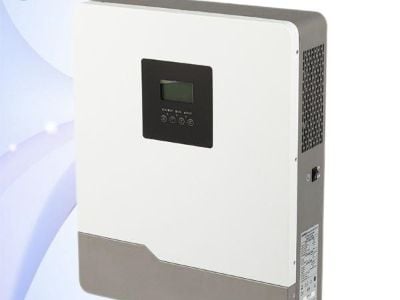
Understanding the differences between Off Grid, On Grid, and Hybrid solar systems is essential for businesses aiming to invest in renewable energy solutions. Selecting the right off grid on grid and hybrid solar system can significantly impact operational costs, energy efficiency, and overall sustainability. This article will guide B2B buyers such as purchasing managers, engineers, and project managers through the intricacies of these solar systems, addressing their main concerns and providing actionable insights to facilitate informed decisions.
Off Grid, On Grid, and Hybrid Solar Solutions
Off Grid Solar Systems operate independently from the utility grid, making them ideal for remote locations. They typically consist of solar panels, batteries, and inverters. The key advantage is energy independence, ensuring power supply even during outages. However, they require careful planning for energy storage and consumption management, as excessive reliance on battery systems can lead to higher upfront costs.
On Grid Solar Systems, in contrast, are connected to the utility grid, allowing users to draw power from the grid when solar generation is insufficient. This system is often more cost-effective due to lower initial investment, and it enables net metering crediting users for excess energy generated. However, businesses relying solely on this system may face challenges during grid outages, as they typically lack battery storage.
Hybrid Solar Systems combine elements of both Off Grid and On Grid solutions. They allow users to switch between grid power and battery storage, offering flexibility and reliability. This adaptability makes hybrid solar system with battery an attractive option for businesses seeking a balance between energy independence and cost-effectiveness. However, the complexity of installation and management may require more technical expertise and higher initial investment.
Wholesale Sourcing Tips for Quality Solar Systems for Your Projects
When sourcing solar systems, consider the following tips to ensure quality and reliability:
Evaluate Supplier Credentials: Look for manufacturers with industry certifications, a proven track record, and experience in producing solar solutions. CKMINE, for example, has been a high-tech enterprise since 2005, specializing in hybrid inverter 24v technologies.
Request Product Samples: Before placing bulk orders, request samples of the solar systems to evaluate their performance, construction quality, and suitability for your specific applications.
Understand Technical Specifications: Ensure you have a clear understanding of the system's specifications, such as inverter capacity, battery type, and energy output. This knowledge will help you match the system to your project needs.
Assess Customization Options: Determine if the supplier can accommodate customized solutions based on your unique requirements. For example, CKMINE offers various configurations of inverters suitable for different industrial applications.
Check Lead Times and MOQ: Inquire about minimum order quantities and lead times to avoid project delays. Understanding these factors upfront can help align your procurement timeline with project schedules.
How to Evaluate the Quality of Off Grid, On Grid, and Hybrid Solar Systems?
Quality evaluation of solar systems involves several critical factors:
Material Quality: Inspect the materials used in the construction of the solar panels and inverters. High-quality polycrystalline or monocrystalline solar cells offer better efficiency and durability.
Performance Testing: Look for suppliers that conduct rigorous testing under various environmental conditions. This includes checking the temperature coefficient, which indicates how the performance of solar modules may degrade at higher temperatures.
Warranty and Support: A robust warranty and post-purchase support are indicators of quality. Reliable manufacturers typically offer warranties ranging from 10 to 25 years, ensuring long-term performance.
Certifications: Check for industry certifications, such as IEC or UL, which indicate compliance with international safety and performance standards.
User Reviews and Case Studies: Research user experiences and case studies to gain insights into the performance and reliability of the systems in real-world applications.
Installation Guidance for Off Grid, On Grid, and Hybrid Solar Solutions
Proper installation is crucial for maximizing the performance of solar systems. Here are key considerations:
Site Assessment: Conduct a detailed site assessment to determine solar exposure, shading from nearby structures, and space availability for solar panels and batteries.
System Design: Collaborate with a qualified engineer to design the system based on energy needs, local regulations, and environmental factors. This step is critical for hybrid systems, where both battery storage and grid connections must be optimized.
Compliance with Local Regulations: Ensure that all installations comply with local codes and regulations, including permits for electrical work and inspections.
Professional Installation: Engage experienced installers who understand the complexities of solar systems. A professional setup minimizes risks of system failure and optimizes performance.
Post-Installation Testing: After installation, conduct thorough testing to verify that the system operates as designed. This includes checking electrical connections, inverter functionality, and battery performance.
Common Problems with Solar Systems and Their Practical Solutions
Like any technology, solar systems can encounter issues. Here are common problems and their solutions:
Underperformance: This can occur due to improper installation, shading, or faulty components. Regular maintenance, including cleaning panels and checking connections, can mitigate these issues.
Battery Degradation: Off grid systems may experience battery performance issues over time. Implementing a proper battery management system can help extend battery life by preventing deep discharges.
Inverter Failures: Inverters are critical for converting DC to AC power. Regularly inspect and maintain inverters, and consider investing in high-quality units with good warranties.
System Overload: Businesses can inadvertently overload their solar systems by exceeding design capacity. It’s essential to conduct thorough energy audits and monitor consumption to ensure alignment with system capabilities.
Regulatory Changes: Policy shifts can affect solar incentives or grid connections. Stay informed about local regulations and adapt your systems accordingly to maintain compliance and optimize benefits.
By understanding the differences between Off Grid, On Grid, and Hybrid solar systems, sourcing quality products, evaluating performance, ensuring proper installation, and addressing common challenges, businesses can make informed decisions that enhance their energy efficiency and sustainability.
Table of Contents
- Off Grid, On Grid, and Hybrid Solar Solutions
- Wholesale Sourcing Tips for Quality Solar Systems for Your Projects
- How to Evaluate the Quality of Off Grid, On Grid, and Hybrid Solar Systems?
- Installation Guidance for Off Grid, On Grid, and Hybrid Solar Solutions
- Common Problems with Solar Systems and Their Practical Solutions