ကျွန်ုပ်တို့၏ ကိုယ်စားလှယ်သည် မကြာမီ သင့်ထံသို့ ဆက်သွယ်ပါမည်။
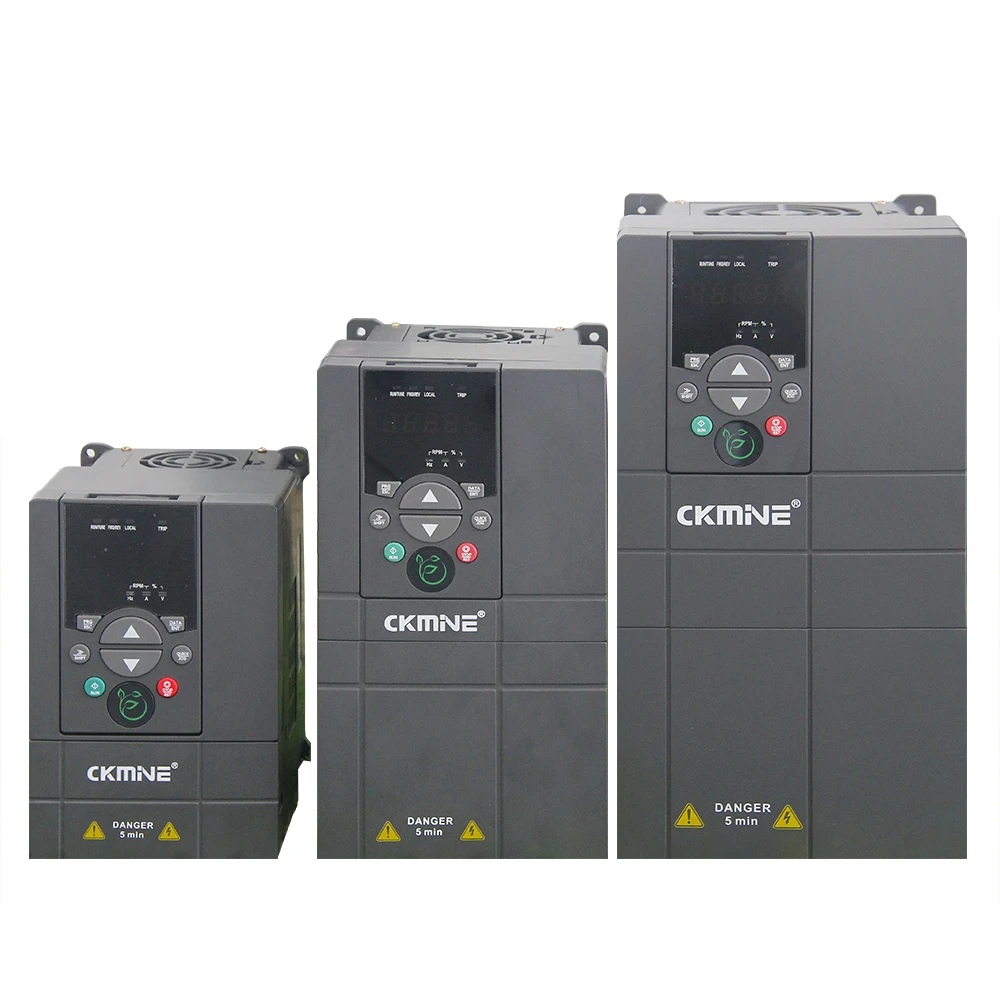
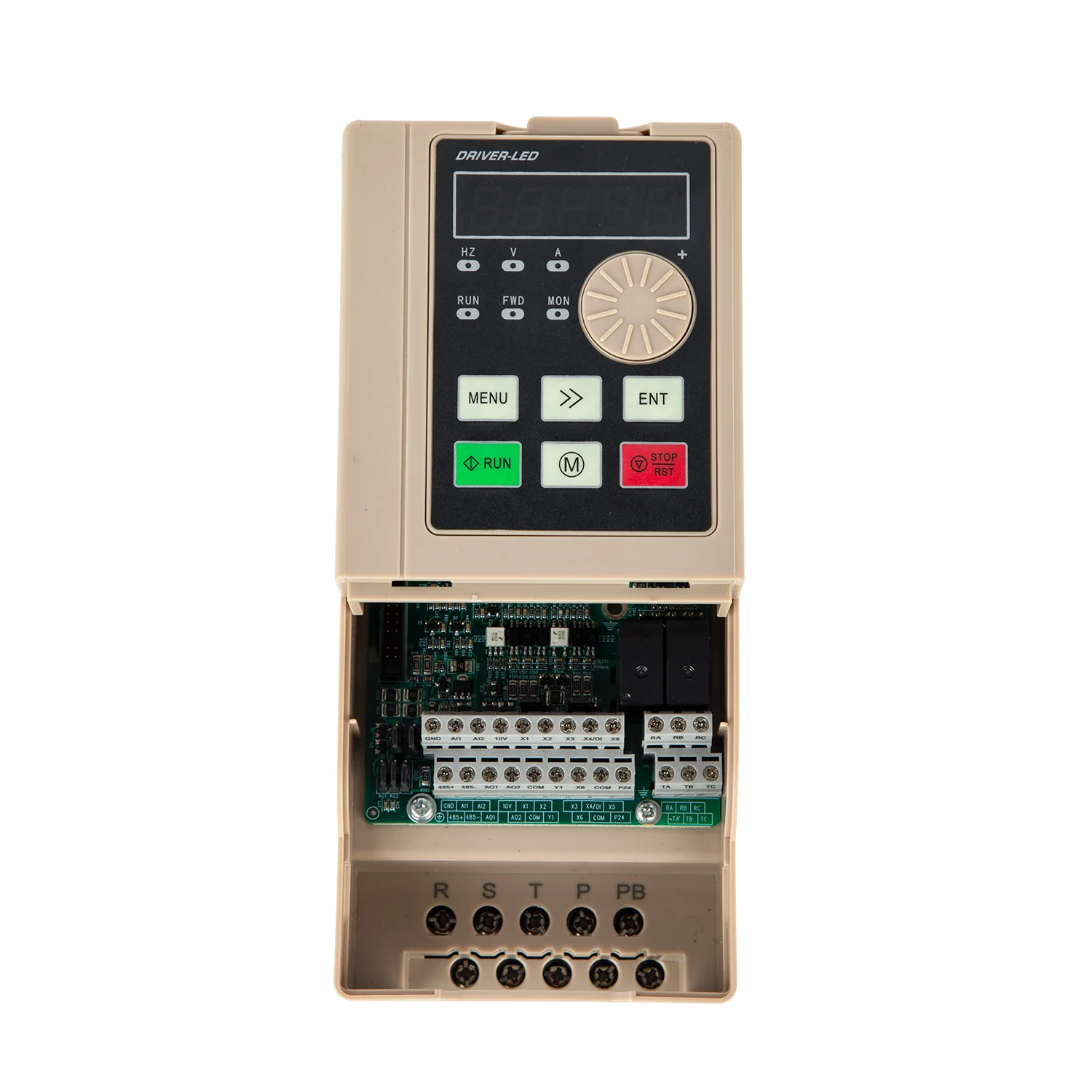
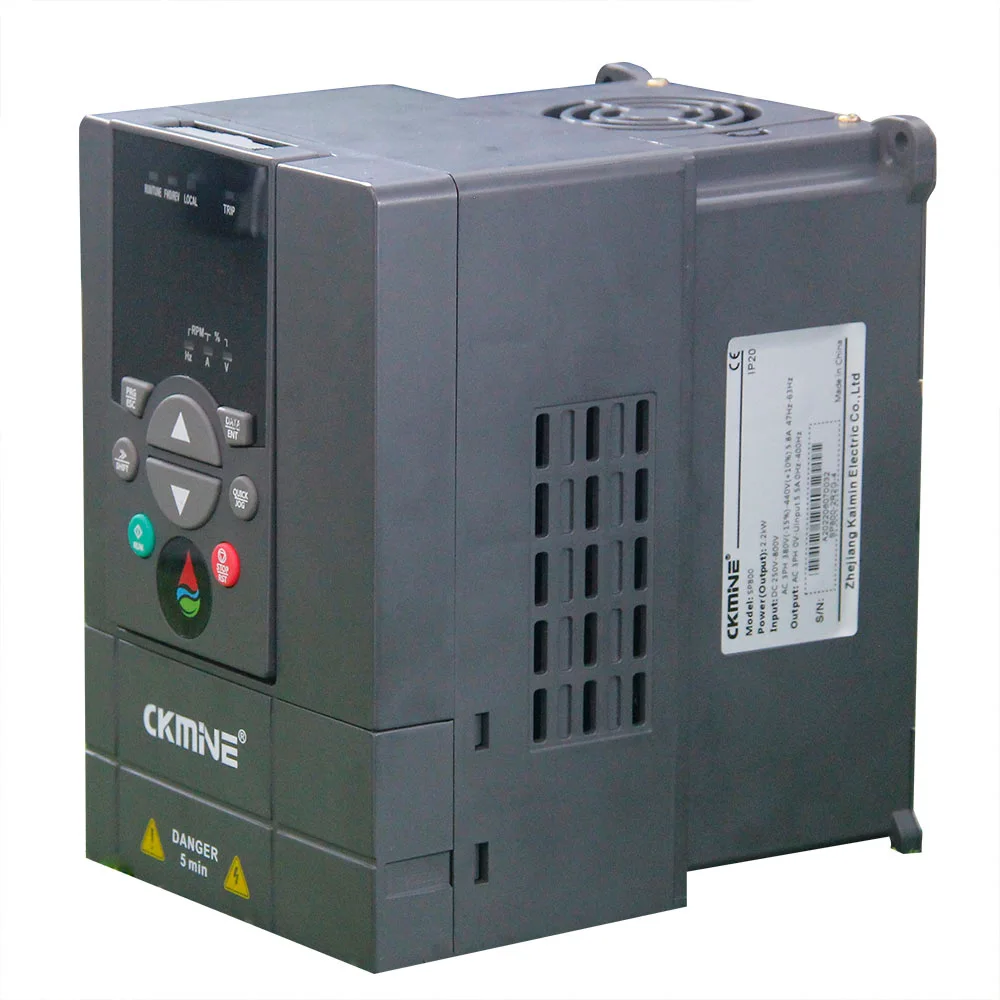
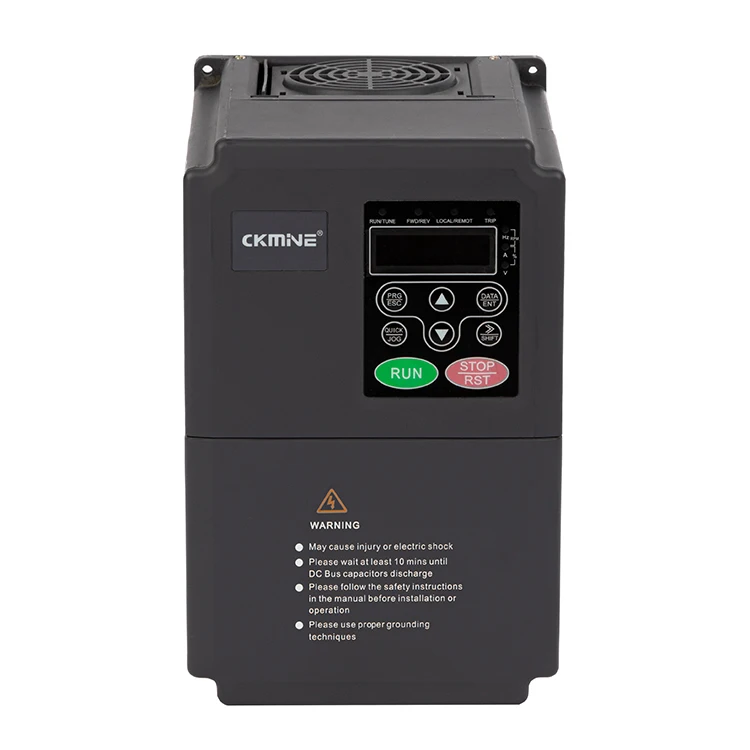
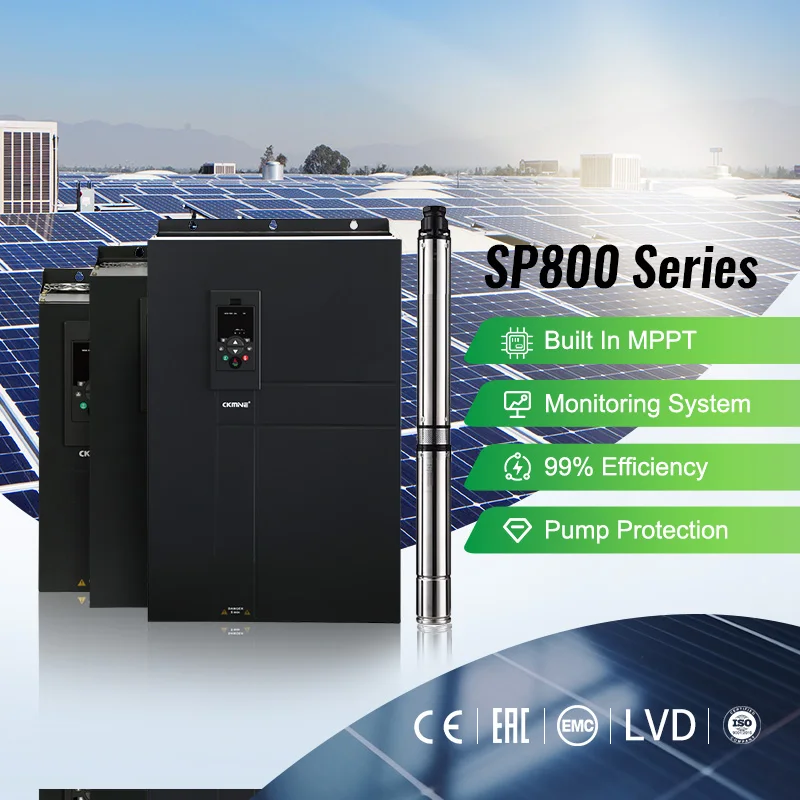
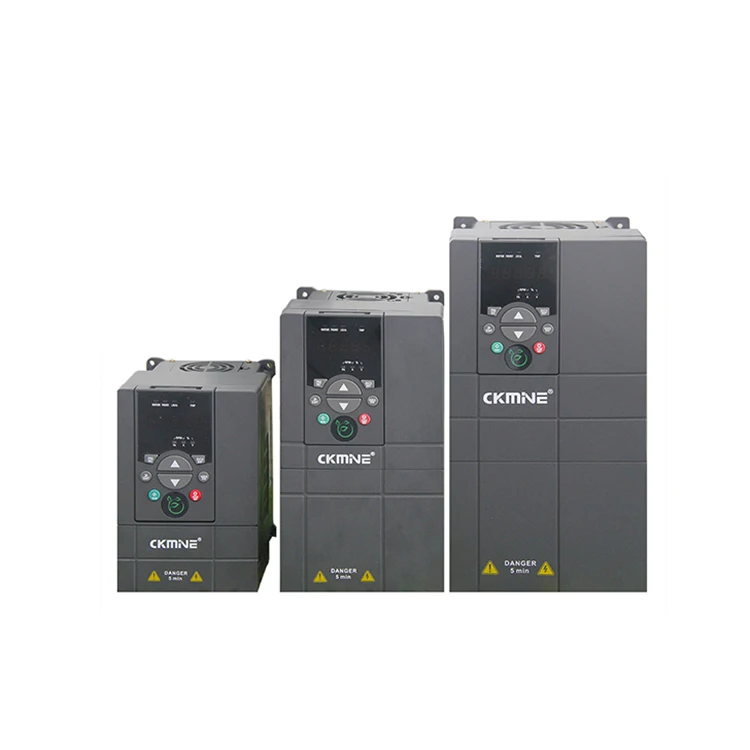
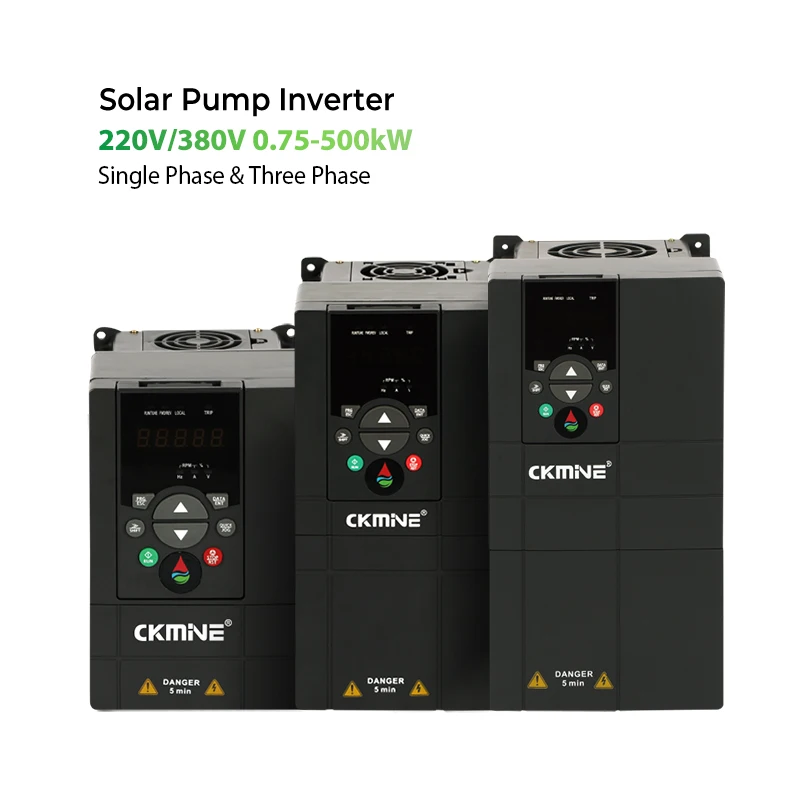
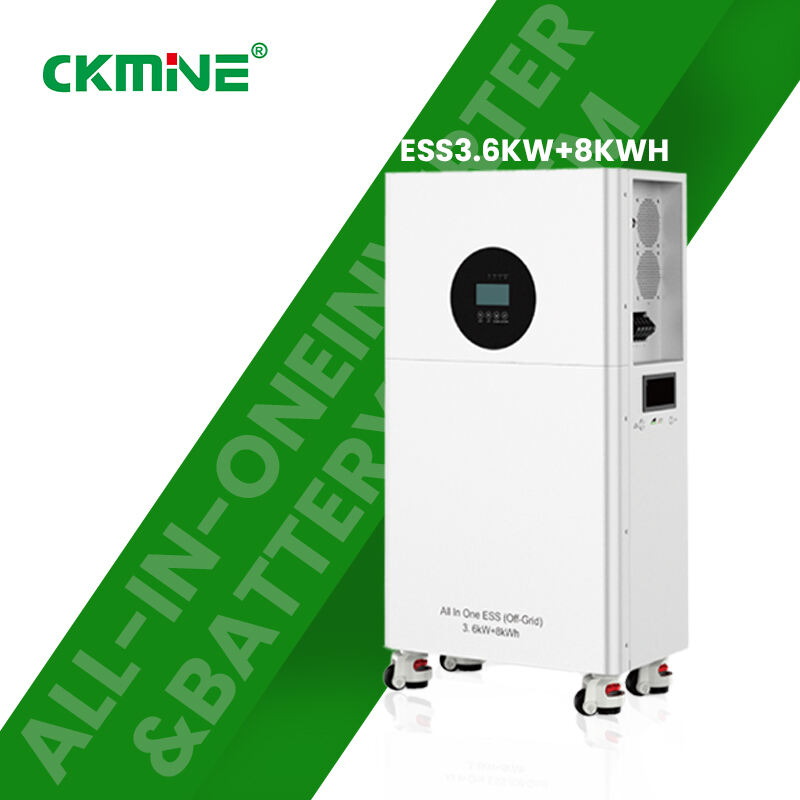
ဆောလာအင်ဗာတာသည် ထူးခြားသော စွမ်းအားပြောင်းလဲရေးကိရိယာဖြစ်ပြီး ဆောလာပြားများနှင့် တွဲဖက်သုံးပါက နေရောင်ခြည်ကို အိမ်များအတွက် အီလက်ထရစ်ဓာတ်အားအဖြစ်သို့ ပြောင်းလဲပေးသည်။ ဆောလာအင်ဗာတာအတွင်းတွင် ပရင့်တက်ဆာကစ်ဘုတ် (သို့) PCB ဟုတိုကောက်ခေါ်သော အရာတစ်ခုပါရှိသည်။ ဆောလာအင်ဗာတာ၏ ဦးနှောက်ကဲ့သို့ဖြစ်ပြီး အင်ဗာတာအား ကောင်းမွန်စွာလည်ပတ်စေပြီး ထိရောက်စွာလည်ပတ်စေရန် အထောက်အကူပြုသည်။
ဆောလာအင်ဗာတာတွင်တွေ့ရသော ပရင့်တက်ဆာကစ်ဘုတ်များတွင် အင်ဗာတာအား ကောင်းမွန်စွာလည်ပတ်စေရန် အစိတ်အပိုင်းများစွာပါဝင်သည်။ အဆိုပါအစိတ်အပိုင်းများမှာ ရီစစ်တာများ၊ ကပ်ပစ်တာများ၊ ထရန်စစ်တာများဖြစ်ပြီး ဆောလာအင်ဗာတာကို ဆောလာစွမ်းအားမှ အီလက်ထရစ်စွမ်းအားသို့ ပြောင်းလဲရာတွင် တာဝန်ခွဲဝေထမ်းဆောင်ပေးကြသည်။
ဆောလာအီနာတာအတွက် ပရင်တက်ဆာကွတ်ဘုတ်တစ်ခုကို တည်ဆောက်ရာတွင် ၎င်း၏စွမ်းဆောင်ရည်ကို အာမခံရန် အရေးကြီးသော အစိတ်အပိုင်းများကို ထည့်သွင်းထားရမည်ဖြစ်သည်။ ဤလုပ်ငန်းစဉ်တွင် အခန်းကဏ္ဍမှုပါဝင်သော အဓိကအစိတ်အပိုင်းတစ်ခုမှာ အီနာတာချစ်ပ်ဖြစ်ပြီး ဆောလာပန်ကာများမှထုတ်လုပ်သော တိုက်ရိုက်လျှပ်စစ်ဓာတ် (DC) ကို အိမ်သုံးအတွက် လှိုင်းပြောင်းလျှပ်စစ်ဓာတ် (AC) အဖြစ်သို့ ပြောင်းလဲပေးသည်။
ဆောလာပန်ကာမှ လျှပ်စစ်ဓာတ်အားကို စည်းကမ်းပြုလုပ်ပေးသည့် ထရန်စဖော်မာသည် အရေးကြီးသောအစိတ်အပိုင်းတစ်ခုဖြစ်သည်။ အင်ဗာတာ၏ ပုံနှိပ်ဆားကစ်ဘုတ် (PCB) ပေါ်တွင် အစိတ်အပိုင်းများကို မည်ကဲ့သို့စီစဉ်ထားသည်ကိုလည်း အထူးအရေးကြီးပါသည်။ အဘယ်ကြောင့်ဆိုသော် ဆောလာအင်ဗာတာ၏ စွမ်းဆောင်ရည်ကို ဆုံးဖြတ်ပေးနိုင်သောကြောင့် ဖြစ်ပါသည်။ အစိတ်အပိုင်းများကို စိတ်ကြိုက်စီစဉ်ပေးခြင်းဖြင့် အင်ဂျင်နီယာများသည် ဆောလာအင်ဗာတာကို ပိုမိုထိရောက်စွာ လည်ပတ်စေနိုင်ပါသည်။
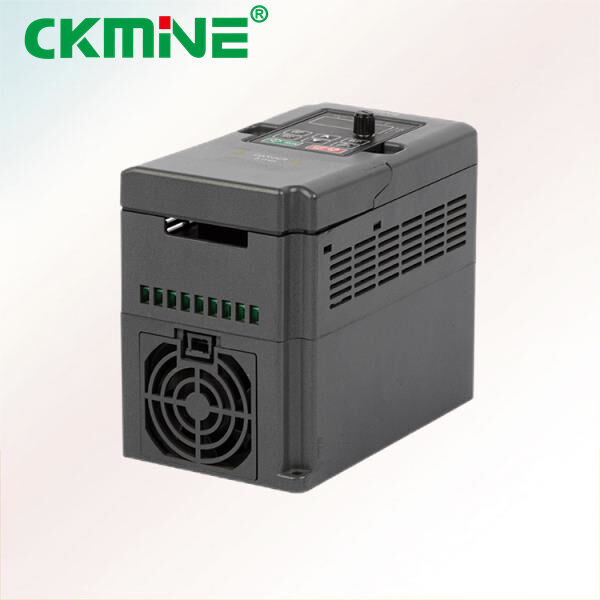
ဆောလာအင်ဗာတာတစ်ခု၏ ထိရောက်မှုကို အမြင့်ဆုံးဖြစ်အောင် ပြုလုပ်ခြင်းသည် ပြောင်းလဲမှုလုပ်ငန်းစဉ်အတွင်း စွမ်းအင်ဆုံးရှုံးမှုကို နိမ့်ကျအောင် ထိန်းညှိရာတွင် အကောင်းဆုံးနည်းလမ်းများထဲမှ တစ်ခုဖြစ်ပါသည်။ အဆိုပါဆုံးရှုံးမှုများကို အားနည်းသော အစိတ်အပိုင်းများနှင့် ကောင်းမွန်သော PCB စီစဉ်မှုကို အသုံးပြုခြင်းဖြင့် လျော့နည်းစေနိုင်ပြီး ဆောလာအင်ဗာတာကို ပိုမိုထိရောက်စေပါသည်။
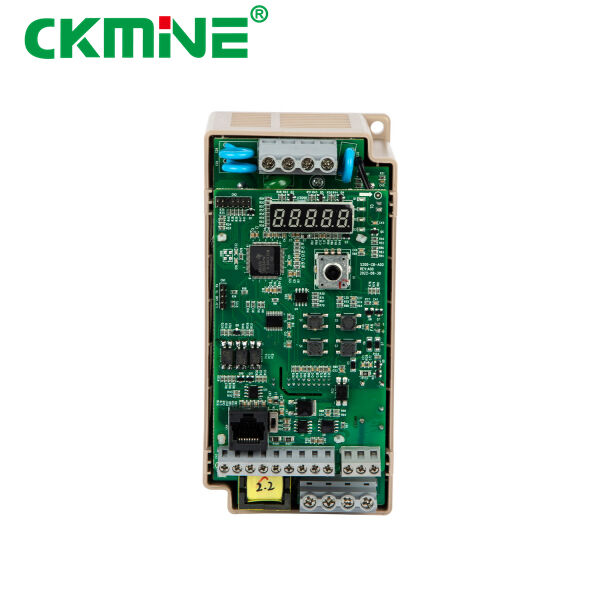
အကောင်းဆုံးဒီဇိုင်းထုတ်ထားသော PCB များတွင်ပင် ပြဿနာများ ရှိနေနိုင်ပါသည်။ ဆောလာအင်ဗာတာသည် မှန်ကန်စွာ လည်ပတ်မှုမရှိပါက အင်ဂျင်နီယာများ ရှာဖွေနိုင်သော ပုံမှန်ပြဿနာများ ရှိပါသည်။ အင်ဗာတာကို ဖြုတ်ချပြီးနောက် ချစ်ပ်များကြားတွင် 3-4 A ကွာဝေးမှုကဲ့သို့ PCB ပေါ်ရှိ ပြဿနာများသည် အင်ဗာတာ မလည်ပတ်နိုင်မှုကို ဖြစ်စေနိုင်သော ပုံမှန်ပြဿနာတစ်ခုဖြစ်ပါသည်။
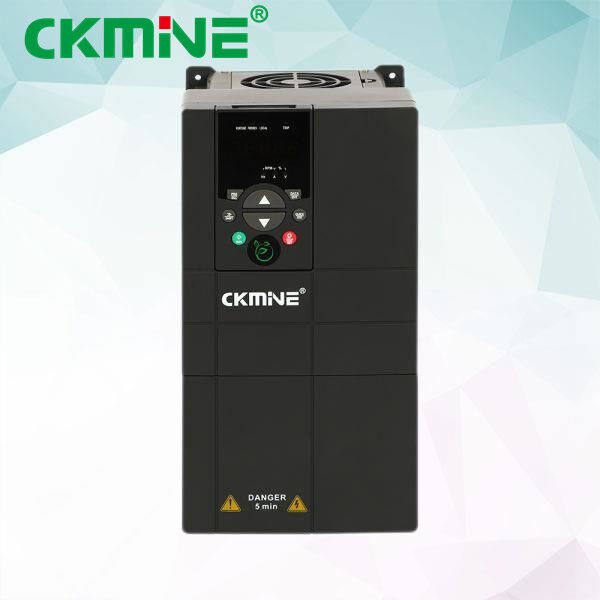
နောက်ထပ်ပြဿနာတစ်ခုမှာ ပူလွန်ခြင်းဖြစ်ပြီး ပူလွန်ခြင်းကြောင့် PCB ပြားပေါ်ရှိ အစိတ်အပိုင်းများ ပျက်စီးကာ ဆောလာအင်ဗာတာမှာ အလုပ်မလုပ်တော့ပဲဖြစ်နိုင်သည်။ ပြဿနာကို သေချာစွာစစ်ဆေးခြင်းအားဖြင့် အင်ဂျင်နီယာများက ပြဿနာကို ဖယ်ရှားပြီး ဆောလာအင်ဗာတာကို ပြန်လည်အသုံးပြုနိုင်ရန် ပြုပြင်ပေးနိုင်သည်။
CKMINE တွင် ထုတ်လုပ်မှုလိုင်း (၈) ခု၊ ၆S စက်ရုံများနှင့် ISO 9001:2015 အသိအမှတ်ပြုမှုရှိပါသည်။ ၎င်းသည် မြန်ဆန်စွာတပ်ဆင်ခြင်းနှင့် ထုတ်လုပ်မှုကို ဖော်ဆောင်ပေးနိုင်သည့် ခေတ်မီစက်ကွဲများကိုသာမက အမြင့်ဆုံးစွမ်းဆောင်ရည်အတွက် တင်းကြပ်သည့်စနစ်များဖြင့် ထုတ်လုပ်ထားသည့် နေရောင်ခြင်းအားသွင်းစက် PCB များကိုလည်း ပိုင်ဆိုင်ပါသည်။ CKMINE တွင် အရည်အသွေးအာမခံရေးဌာနရှိပြီး စက်ပစ္စည်းများ စုစည်းခြင်းမှ ပို့ဆောင်ရေးအထိ လုပ်ငန်းစဉ်တစ်ရှေးလုံးကို စောင်းကြည့်မှုပေးပါသည်။
CKMINE သည် နိုင်ငံပေါင်း ၆၀ ကျော်သို့ ထုတ်ကုန်များအောင်မြင်စွာ တင်ပို့ရောင်းချနိုင်ခဲ့ပါသည်။ နိုင်ငံတွင်းဈေးကွက်သာမက နိုင်ငံတကာတွင်ပါ အဆင့်မြင့်အလိုအလျောက်ဖြေရှင်းမှုပေးသည့် ဦးဆောင်ကုမ္ပဏီအဖြစ် ကိုယ်ကိုဖြစ်အောင် ဆောင်ရွက်လိုသည်။ ဆိုလာအိုင်ဗာ့စ် PCB များအတွက် လိုအပ်ချက်များသည် CKMINE ၏ တိုးတက်မှုကို ဦးဆောင်သည့် အားအင်ဖြစ်သည်။
CKMINE သည် နေရောင်ခြည်အိုင်ဗာတာများ၊ နေရောင်ခြည်အိုင်ဗာတာ PCB အိုင်ဗာတာများ၊ PV ကွန်ဘိုင်းများ၊ အချိန်ဖွင့်ပိတ်ခလုတ်များနှင့် ရီလေများကဲ့သို့ AC မောင်းနှင်မှုများ၏ သုတေသန၊ ဖွံ့ဖြိုးရေးနှင့် ထုတ်လုပ်မှုကို လုပ်ကိုင်သည့် နည်းပညာမြင့်ကုမ္ပဏီတစ်ခုဖြစ်ပါသည်။ CKMINE ၏ထုတ်ကုန်များကို စိုက်ပျိုးရေး ရေပေးဝေရေးလုပ်ငန်း၊ ရေနံထုတ်လုပ်မှု၊ သတ္တုဖော်လုပ်ငန်း၊ ဓာတုလုပ်ငန်း၊ ဆောက်လုပ်ရေး၊ စက္ကူထုတ်လုပ်မှု၊ တွင်းထွင်းလုပ်ငန်းနှင့် စက်မှုလုပ်ငန်းနယ်ပယ်များတွင် အသုံးပြုကြပါသည်။
CKMINE သည် တရုတ်နိုင်ငံ၊ ဇီကျန်ပြည်နယ်၊ ဝန်ချူးမြို့တွင် ဧရိယာ (၁၀၀၀၀) စတုရန်းမီတာ အကျယ်အဝန်းရှိပါသည်။ CKMINE သည် စွမ်းအင်အရင်းအမြစ်အများအပြားကို အသုံးပြုနိုင်သည့် နေရောင်ခြင်းအားသွင်းစက် PCB များကို အထွေထွေအသုံးပြုရန် ရည်ရွယ်ပြီး အသုံးပြုသူများ၏ နယ်ပယ်အများအပြားတွင် လိုအပ်ချက်များကို ဖော်ဆောင်ပေးနိုင်သည့် အမြင့်ဆုံးစွမ်းဆောင်ရည်ရှိသည့် ကုမ္ပဏီဖြစ်ပါသည်။ CKMINE တွင် လုပ်သမ်းအင်အား (၂၀၀) ကျော်ပါဝင်သည့် ထုတ်လုပ်မှုအဖွဲ့ရှိပြီး စက်မှုလုပ်ငန်းတွင် နှစ် (၁၈) နှစ်ကျော် အတွေ့အကြုံရှိပါသည်။ ထို့အပြင် ကျွမ်းကျင်မှုများနှင့် အဆက်မပြတ်ဖွံ့ဖြိုးတိုးတက်မှုများကို အထောက်အပံ့ပေးပါသည်။
 EN
EN
 AR
AR
 BG
BG
 CS
CS
 NL
NL
 FI
FI
 FR
FR
 DE
DE
 EL
EL
 HI
HI
 IT
IT
 JA
JA
 KO
KO
 NO
NO
 PL
PL
 PT
PT
 RO
RO
 RU
RU
 ES
ES
 SV
SV
 TL
TL
 IW
IW
 ID
ID
 SR
SR
 UK
UK
 VI
VI
 HU
HU
 TH
TH
 TR
TR
 FA
FA
 AF
AF
 KA
KA
 UR
UR
 BN
BN
 LA
LA
 MN
MN
 MY
MY
 KK
KK
 UZ
UZ
 KY
KY